Mumbai’s suburban railway, still the undisputed king of affordable transit
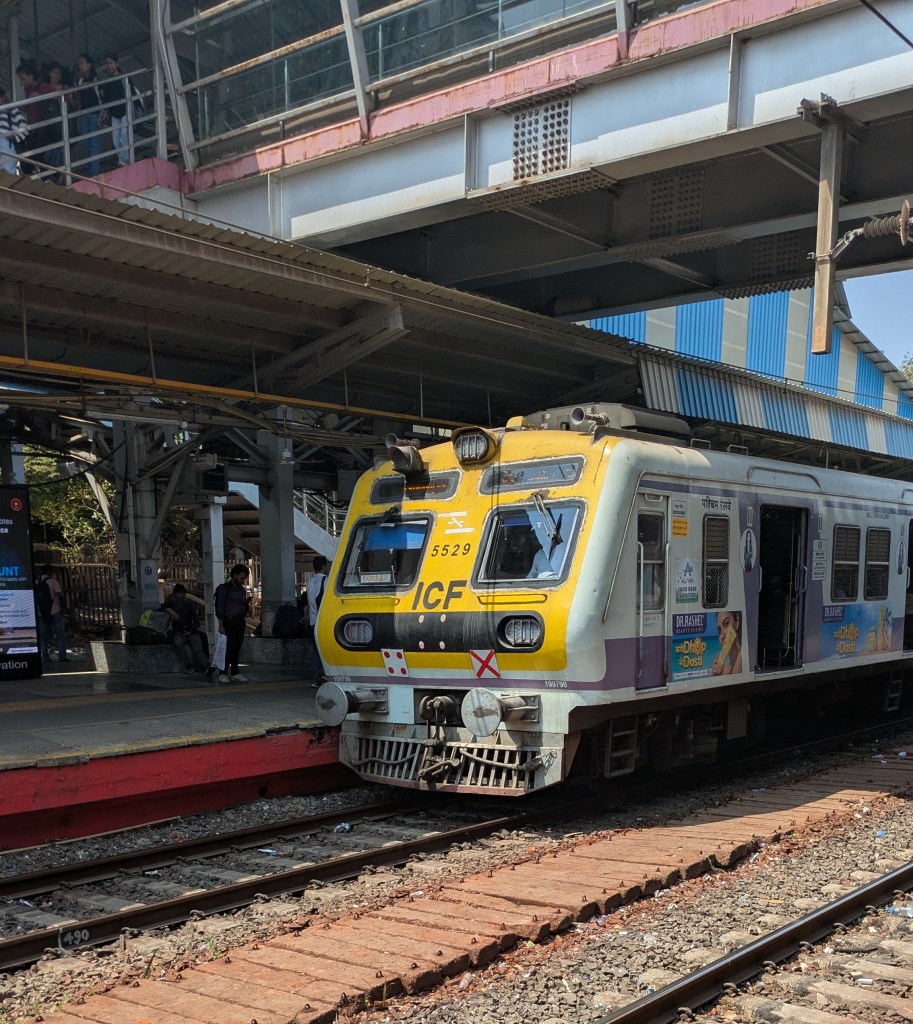
In a city where commuting costs are always under discussion, Mumbai’s suburban railway network continues to stand apart as the most economical way to get around the Mumbai Metropolitan Region (MMR), and the fare data makes this case with striking clarity.
As per assessments made by Central Railway’s team based on latest available data (May 2026) comparing the rates of various public transport modes on “per-km” basis, the suburban railway, including the AC EMU local train, remains the cheapest available mode of transit (probably in the world)
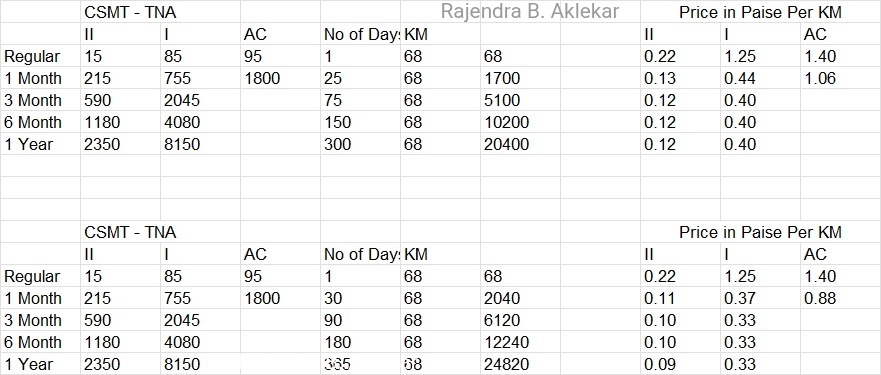
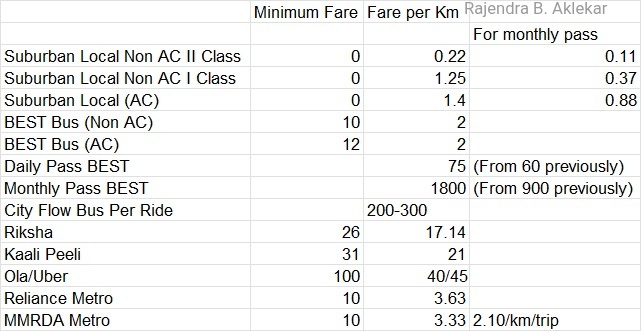
The non-AC Second Class suburban local charges just ₹0.22 per kilometre, making it far and away the cheapest per-km option across every mode of public transport available in the MMR. Even the Non-AC First Class, at ₹1.25 per km, and the AC local, at ₹1.40 per km, comfortably undercut all other alternatives — and that is before factoring in monthly passes, which bring those figures down even further to ₹0.11, ₹0.37, and ₹0.88 per km respectively.
BEST buses
Compare this to the next tier of public options. BEST buses, both Non-AC and AC, charge ₹2 per km with minimum fares of ₹10 and ₹12, meaning even a short hop on a BEST bus costs more per kilometre than an AC local train.
The Metros
The Reliance Metro (Blue Line 1) comes in at ₹3.63 per km and the MMRDA-MMRCL Metros (Lines 2,3,7) at ₹3.33 per km (or ₹2.10 per km for monthly pass holders), which is still nearly double what AC local commuters pay without any pass at all.
App-based buses
App-based buses, which charge a flat ₹200–300 per ride, are simply not in the same conversation for regular commuters travelling moderate distances. The gap becomes almost absurd when you introduce intermediate public transport and app-based cabs into the picture.
Autos and taxis
Autorickshaws charge ₹17.14 per km, kaali-peeli taxis charge ₹21 per km, and Ola/Uber charge ₹40–45 per km — figures that are anywhere from 12 to over 200 times the per-km cost of a Second Class suburban train ticket.
Even daily and monthly BEST passes, now revised to ₹75 and ₹1,800 respectively (sharply up from ₹60 and ₹900 previously), reflect the broader inflationary pressure on public transit costs that the suburban railway has largely been shielded from.
For the millions of Mumbaikars who depend on public transport daily, the suburban local — creaky, crowded, and perpetually discussed — remains an extraordinary piece of public infrastructure that no other mode comes close to matching on pure value per kilometre travelled.
How has been the suburban railway calculation done